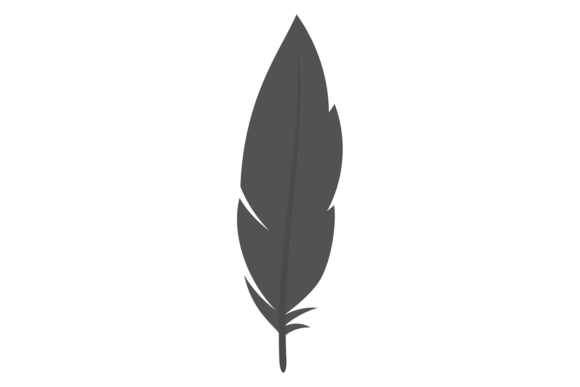
Decorative Curved Feather. Flying Weight
Where This Feather Truly Takes Flight
- The gentle arc mirrors the drape of the tote’s side seam—no forced symmetry, just organic alignment.
- Its open negative space lets the fabric breathe, avoiding that “stuffed” look common with dense fill-stitch florals.
- On unbleached canvas, even a simple two-tone thread combo (ecru quill + soft dove gray tip) created instant depth—no need for shading or underlay tricks.
Where Caution Is Built Into the Curve
On stretchy fabrics like jersey or ribbed knit (think sweatshirt cuffs or baby bodysuits), the narrowest tip can distort if stabilizer isn’t crisp and hooping precise. I recommend cutaway + tear-away combo—especially if stitching near seams or curved edges like cap fronts.
Dark fabrics demand thoughtful thread choices. A pale feather on black denim reads as sophisticated—but only if your satin stitch has consistent tension. Thin areas like the quill base can vanish if stitch density dips too low or thread weight is mismatched. Always test on scrap first.
For tiny hoops (under 4”), scale down carefully. That graceful taper compresses fast—lose too much width, and the shape flattens into a vague comma. If you’re building an embroidered patch, consider reinforcing the tip with a fine running stitch outline to keep definition after washing.
Practical Notes from the Hoop
- Test on fabric + stabilizer combo you’ll actually use. Linen behaves differently than cotton poplin; fleece traps thread differently than chambray.
- Check contrast in both light and dark mockups. What reads beautifully on white may disappear on navy unless thread sheen or tone shifts intentionally.
- Review small details at actual stitch size. Zoom in on your embroidery software—does the quill’s transition from fill to satin stitch stay clean? Or does it blur?
- Confirm licensing scope. Since Decorative Curved Feather. Flying Weight is listed as an Illustration/Graphic asset—not a pre-digitized machine embroidery design—you’ll need to digitize it yourself or source a trusted digitizer. That means verifying commercial use rights before selling finished items or digital embroidery files.
- Use printable mockups strategically. Drop the transparent PNG into lifestyle scenes—tote bags, aprons, baby blankets—to gauge real-world scale and mood before stitching a single thread.