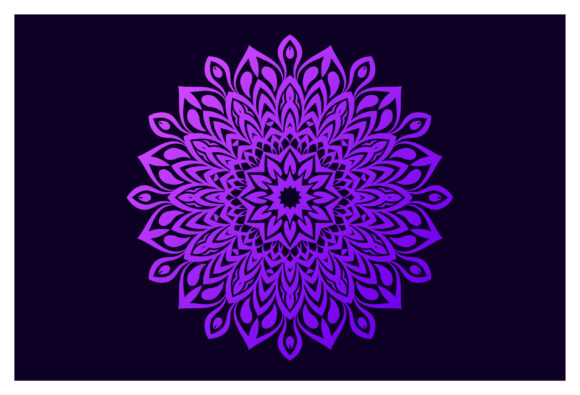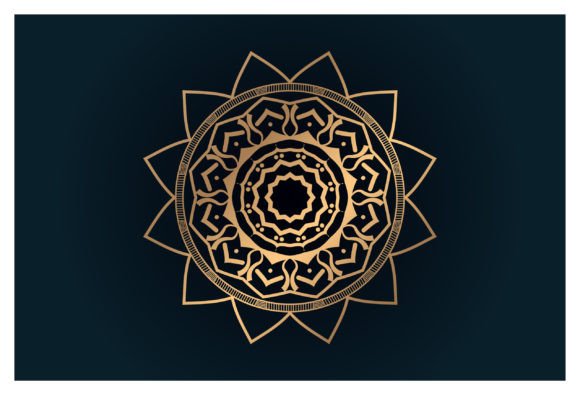
Decorative Ornament in Oriental Mandala
A Calm, Centered First Impression—But Does It Stitch Well?
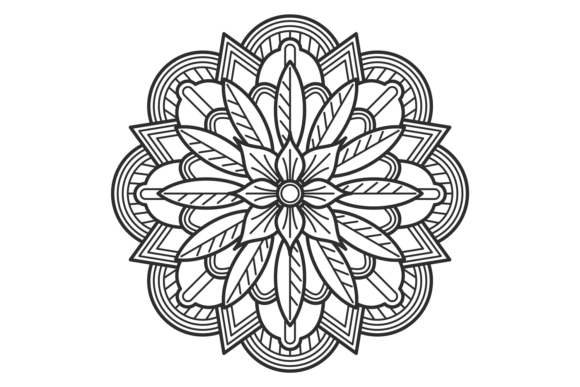
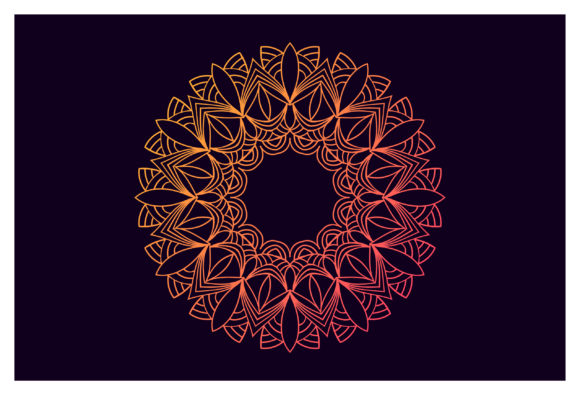
When I opened Decorative Ornament in Oriental Mandala, my first thought wasn’t “pretty”—it was “intentional.” The four included styles each carry that quiet balance of symmetry and subtle movement you expect from mandala traditions: layered petals, interwoven geometry, soft radial flow. No sharp edges screaming for attention—just visual calm with quiet authority. That makes it ideal for projects where serenity matters: baby onesies, nursery pillow covers, yoga apparel, boutique tea towels, or holiday gift tags meant to feel handmade—not mass-produced.
Where This Design Truly Shines in Real Embroidery Projects
I tested Decorative Ornament in Oriental Mandala on a linen-cotton blend tote bag and a midweight organic sweatshirt—and the difference was telling. On the tote, the design held its shape beautifully at 3.5 inches wide. The outer rings stayed crisp; inner motifs read clearly without bleeding. Customers paused to trace the pattern with their fingers—proof that thoughtful detail translates into tactile appeal. On the sweatshirt, I used a light cutaway stabilizer and medium-density fill stitch. The result? A luxe, grounded look—not busy, not bland, but quietly confident.
It’s also a natural fit for embroidered patches (especially fused-on versions), aprons for artisan bakeries or herbalists, and pillow covers sold in small shops or on Etsy. Because the layout is self-contained and non-directional, it works equally well centered on a cap front, aligned on a kitchen towel hem, or scaled down for a baby bib. As a holiday embroidery option, it reads as meaningful—not seasonal—so it stays relevant year-round, which helps craft business inventory flow.
Watch These Surfaces and Situations Closely
Not every fabric or format treats mandalas kindly. On thin cotton voile or stretchy jersey, the fine inner lines can blur unless you reduce stitch density and add tear-away + cutaway stabilizer layers. Curved surfaces—like the front panel of a structured cap—require careful hooping and possibly slight simplification of the outermost filigree. And on dark fabrics, especially charcoal or navy, avoid light thread colors unless you’re willing to double-stitch key outlines for definition.
Small hoop sizes (under 4×4 inches) demand attention too. Two of the four styles include delicate corner flourishes that may need trimming or repositioning if your machine’s working area is tight. And while the SVG files are great for digital prep, remember: an SVG isn’t an embroidery file. You’ll still need to digitize—or confirm the seller includes ready-to-stitch formats—if you’re using this for machine embroidery design work.
What It Adds to Your Finished Product—Beyond Aesthetics
Decorative Ornament in Oriental Mandala doesn’t just decorate—it elevates perception. Handmade product buyers respond to harmony and intentionality. This design signals care in curation, not just execution. When used on personalized gifts—say, a monogrammed baby blanket with the mandala nestled beside the name—it deepens emotional resonance. For Etsy sellers, it strengthens brand consistency across listings: same motif on a printable mockup, a sewn patch, and a digital embroidery file preview creates visual cohesion that builds buyer trust.
It also improves giftability. Unlike trendy graphics that date quickly, this design feels timeless—making it safer for wedding favors, teacher appreciation bundles, or boutique-branded merchandise meant to last beyond one season. And because it’s offered in multiple styles, you can rotate variations across your shop without losing thematic unity—a smart move for small shop product lines.
Practical Notes Every Embroidery Designer Should Run Through
- Always test on scrap fabric first—especially with textured weaves like burlap or terry cloth, where stitch definition can soften dramatically.
- Check thread color contrast before stitching large batches. A pale gold thread on cream linen looks warm and rich—but on off-white cotton poplin, it can disappear without a satin-stitched outline.
- Review stitch density. Dense fill areas in the center ring may cause puckering on lightweight knits unless balanced with proper underlay and reduced density.
- Confirm hoop size compatibility. If you're embroidering caps or curved items, measure your design’s widest point against your machine’s maximum embroidery area.
- Inspect small details at actual stitch scale. Zoom in on your embroidery software—those tiny leaf tips or dot accents should be at least 0.8mm wide to avoid fraying or vanishing after washing.
- Test black-and-white mockups to assess value contrast. A design that looks balanced on screen may flatten out when stitched in monochrome thread.
- Compare performance on light vs. dark fabric backgrounds—not just for visibility, but for how stabilizer shows through on sheer layers.
- Use appropriate stabilizer: cutaway for knits, tear-away for stable wovens, and fusible + tear-away combo for applique-style layering.
- Verify licensing terms before selling finished items or bundling the design into digital embroidery file packs. Since this falls under Illustrations and Graphics, usage rights vary—and commercial embroidery requires clear permission.
Final Thought: A Thoughtful Tool, Not a Trendy Shortcut
Decorative Ornament in Oriental Mandala won’t shout. It won’t go viral overnight. But it will hold up—on a customer’s favorite sweatshirt after 20 washes, on a boutique pillow that becomes a family heirloom, on an Etsy listing that converts consistently because it feels *considered*. For embroidery designers, craft business owners, and makers who build value through quiet precision—not flash—it’s a reliable, resonant asset. Just remember: even the most balanced mandala needs the right fabric, stabilizer, and intention behind the needle. Use it well, and it’ll reflect back exactly what you put in.